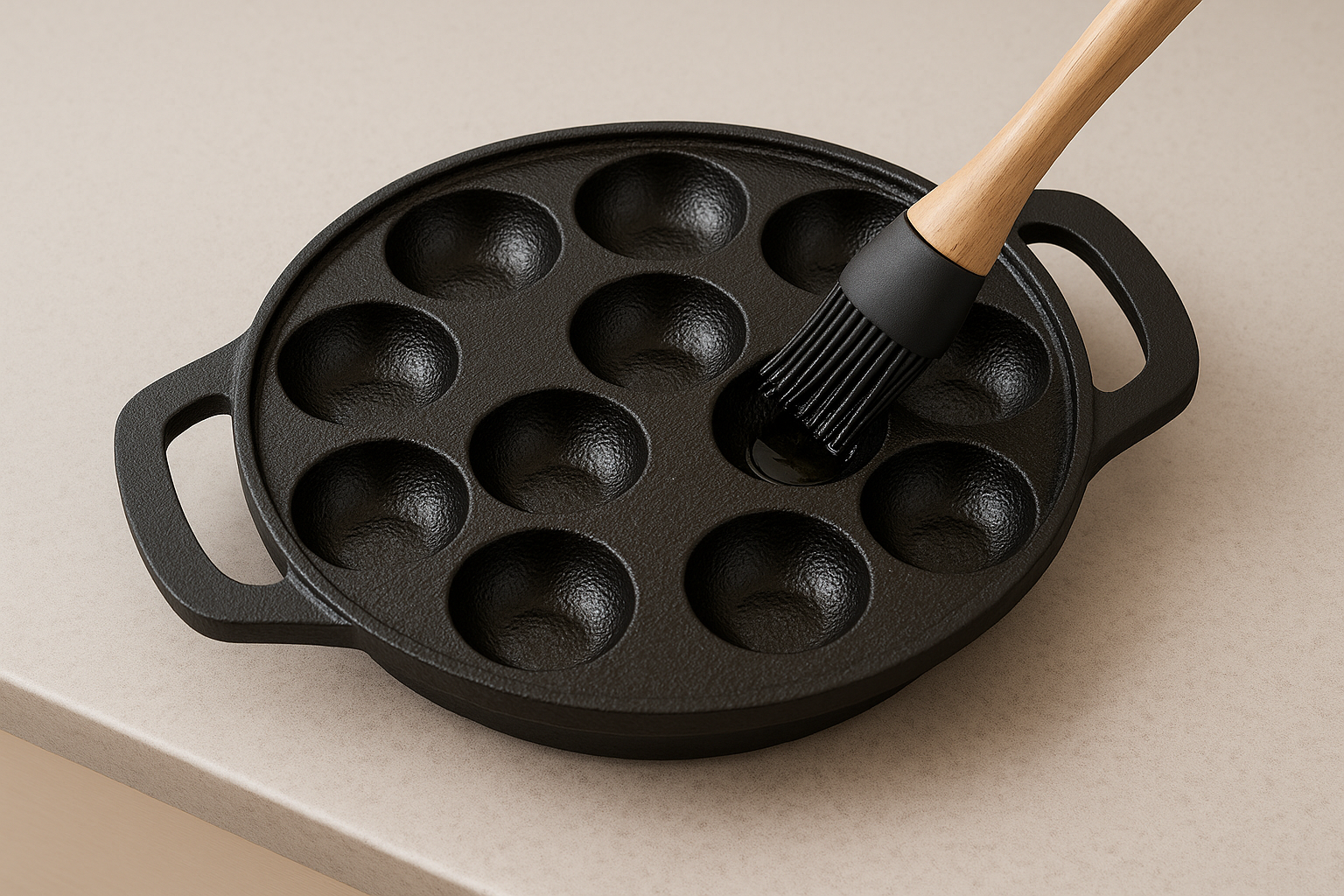
Keep Your Non-Stick Cookware Performing Like New
A high-quality non-stick pan is a kitchen essential, but without the right care, that effortless "slide-off-the-pan" surface can quickly vanish. Whether you use ceramic or PTFE-coated pans, following these simple maintenance rules will protect your investment and improve your cooking results.
1. Ditch the Metal Utensils
The quickest way to ruin a non-stick surface is with metal spatulas, whisks, or tongs. Even a small scratch can cause the coating to flake and peel. Always stick to silicone, wood, or heat-resistant plastic tools.
2. Watch Your Heat Settings
Non-stick pans are designed for low to medium heat. High temperatures can cause the non-stick coating to break down or "carbonize," creating a sticky residue that is nearly impossible to remove. If you need to sear a steak at high heat, reach for stainless steel or cast iron instead.
3. Hand Wash Only (The Golden Rule)
Even if your pan says "dishwasher safe," the high heat and harsh detergents in a dishwasher will dry out and degrade the coating over time.
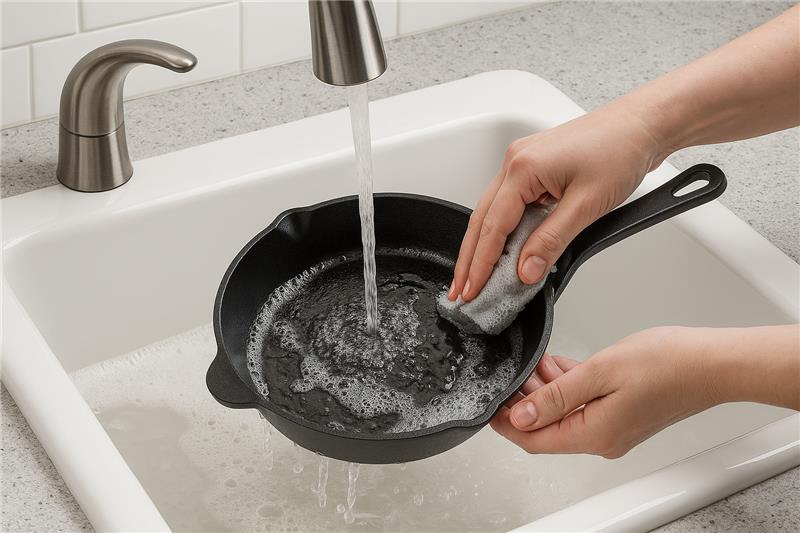
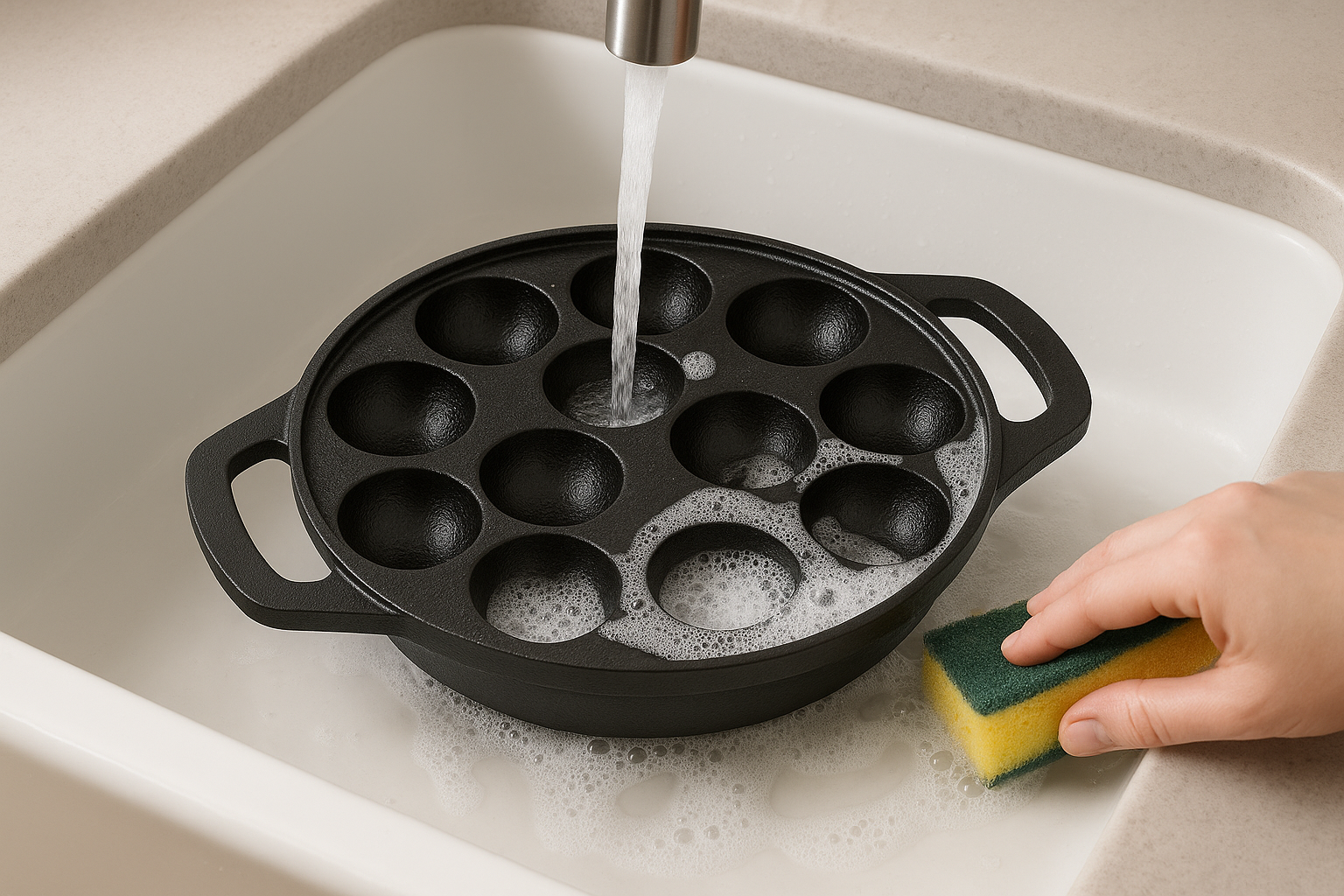
The Best Method: Use warm water, a mild dish soap, and a soft sponge.
Avoid: Steel wool or abrasive scouring pads.
4. Avoid Aerosol Cooking Sprays
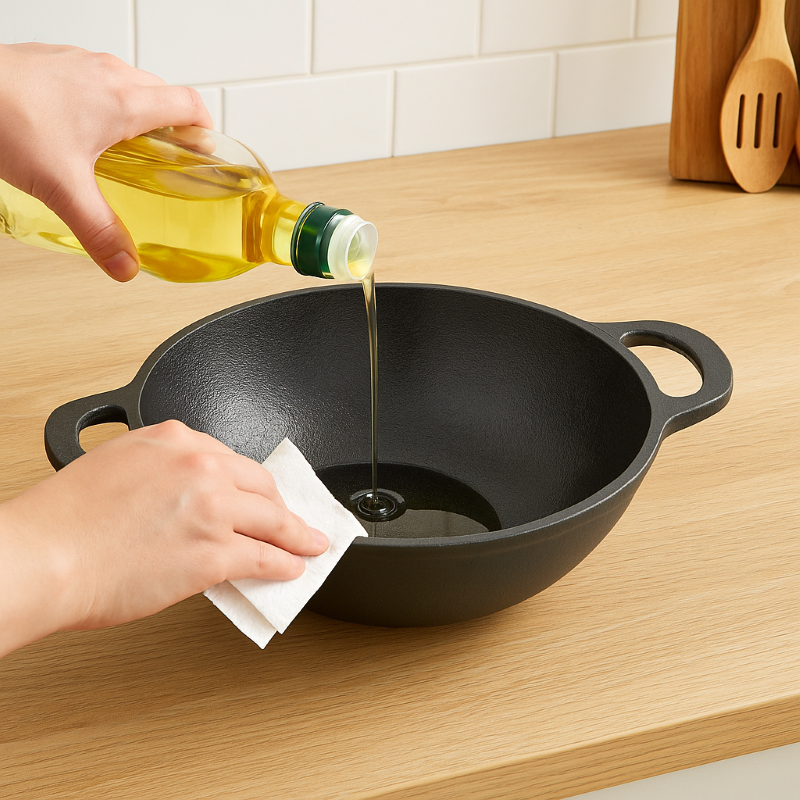
It sounds counterintuitive, but aerosol sprays contain lecithin, which leaves a gummy buildup on non-stick surfaces that won't wash away. Instead, use a tiny bit of butter or a high-smoke-point oil applied with a paper towel.
5. Proper Storage

If you stack your pans, the bottom of one can scratch the interior of the one below it. Always place a paper towel, felt protector, or soft cloth between stacked pans to keep the surfaces shielded.