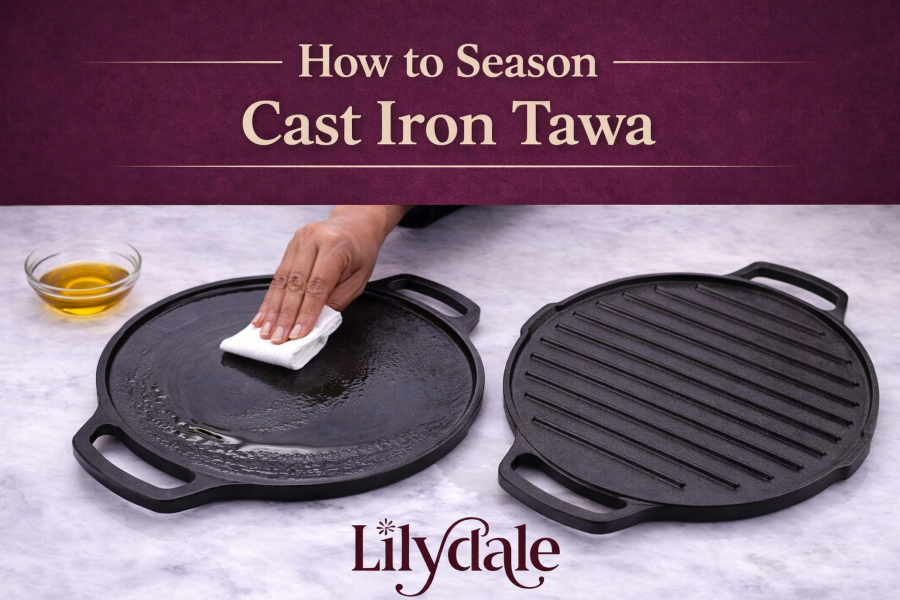
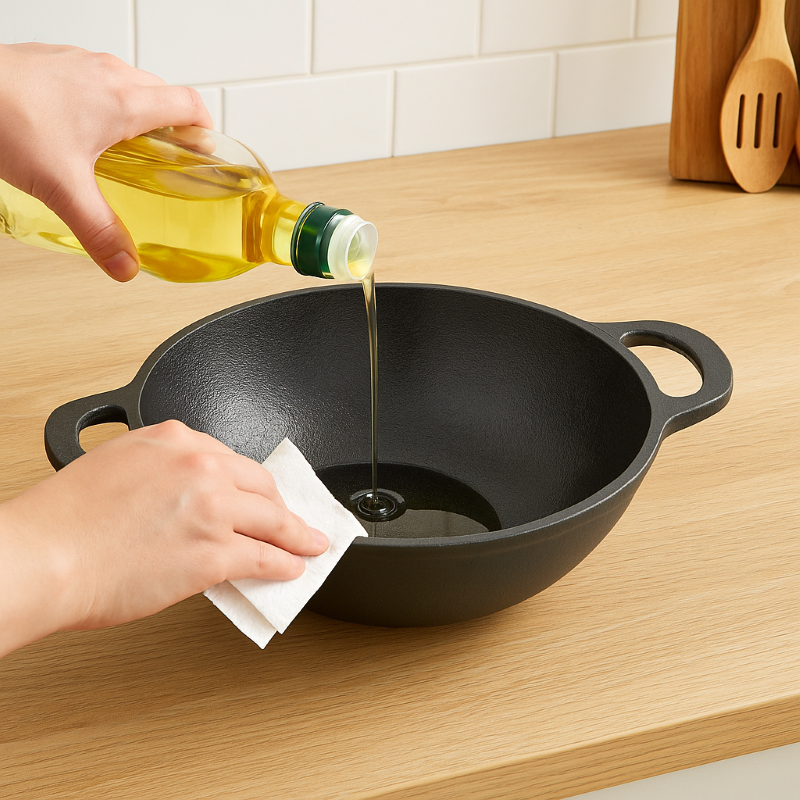
Cleaning & Care
How to Care for Cast Iron Cookware the Right Way
Cast iron cookware can last a lifetime — if you clean, season, and store it properly. Learn how to keep it rust-free and non-stick naturally.
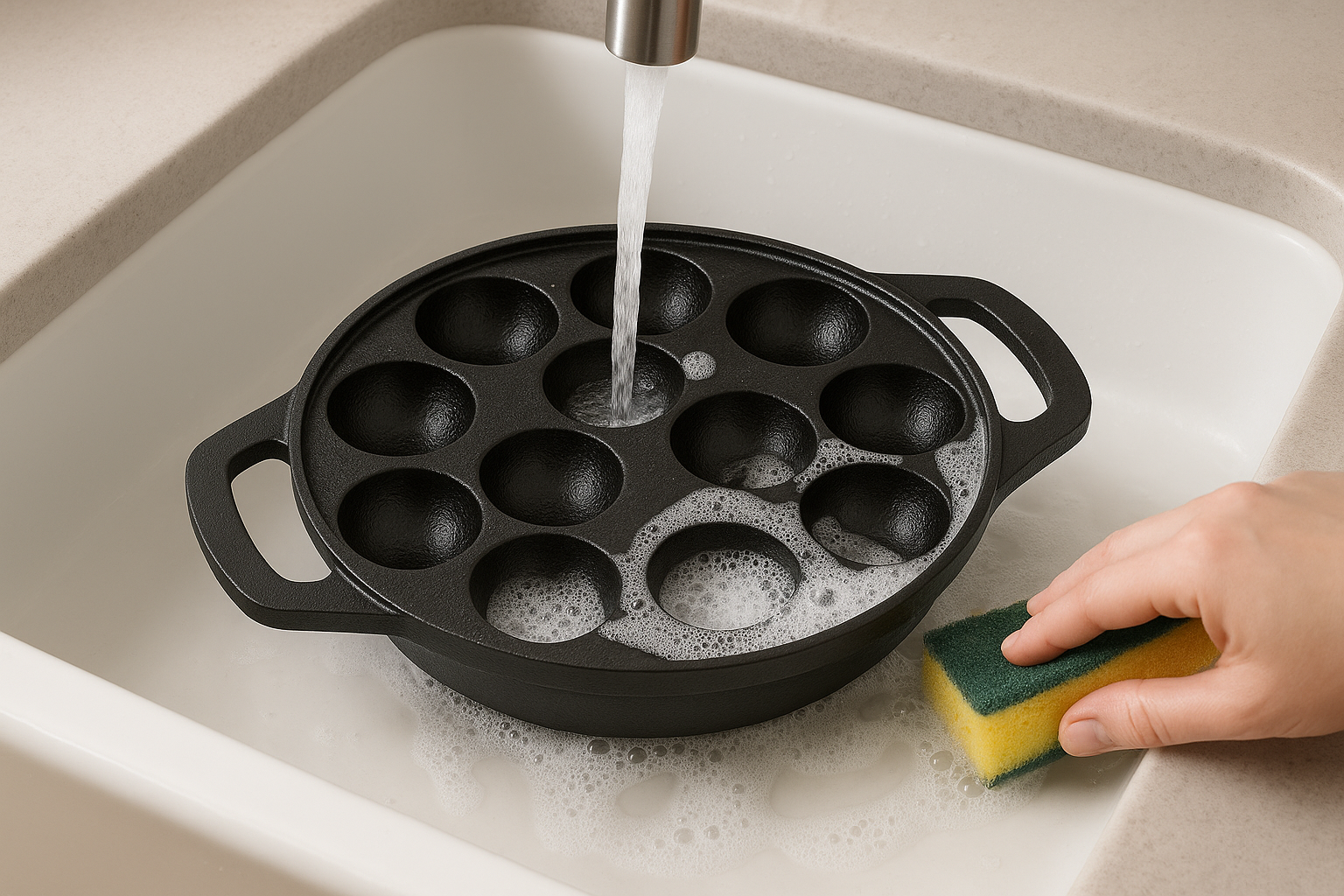
Cast iron cookware can last a lifetime — if you clean, season, and store it properly. Learn how to keep it rust-free and non-stick naturally.
Choosing cookware may seem simple — until you realize there are dozens of materials, designs, and sizes available. Whether you’re a beginner or upgrading your kitchen, selecting the right cookware can affect everything: taste, health, cooking speed, and even your energy usage.
This guide will help you understand cookware materials, choose the right pans, and build a kitchen setup that suits your cooking style perfectly.
Best for: Everyday Indian cooking — curries, sautéing, boiling.
Benefits:Perfect for: Families who cook daily and want cookware that lasts for years.
Best for: Beginners & health-conscious cooks
Uses: Eggs, pancakes, stir-fry, low-oil recipes
Benefits:Tip: Choose high-quality PFOA-free non-stick for safety.
Best for: Roti, paratha, dosa, grilling, slow cooking
Benefits:Perfect for: People who want restaurant-style crispiness.
Best for: Fast, even cooking
Benefits:A good middle-ground between stainless steel and non-stick.
Best for: Healthy, low-oil cooking
Benefits:Ideal for people who prefer eco-friendly cookware.
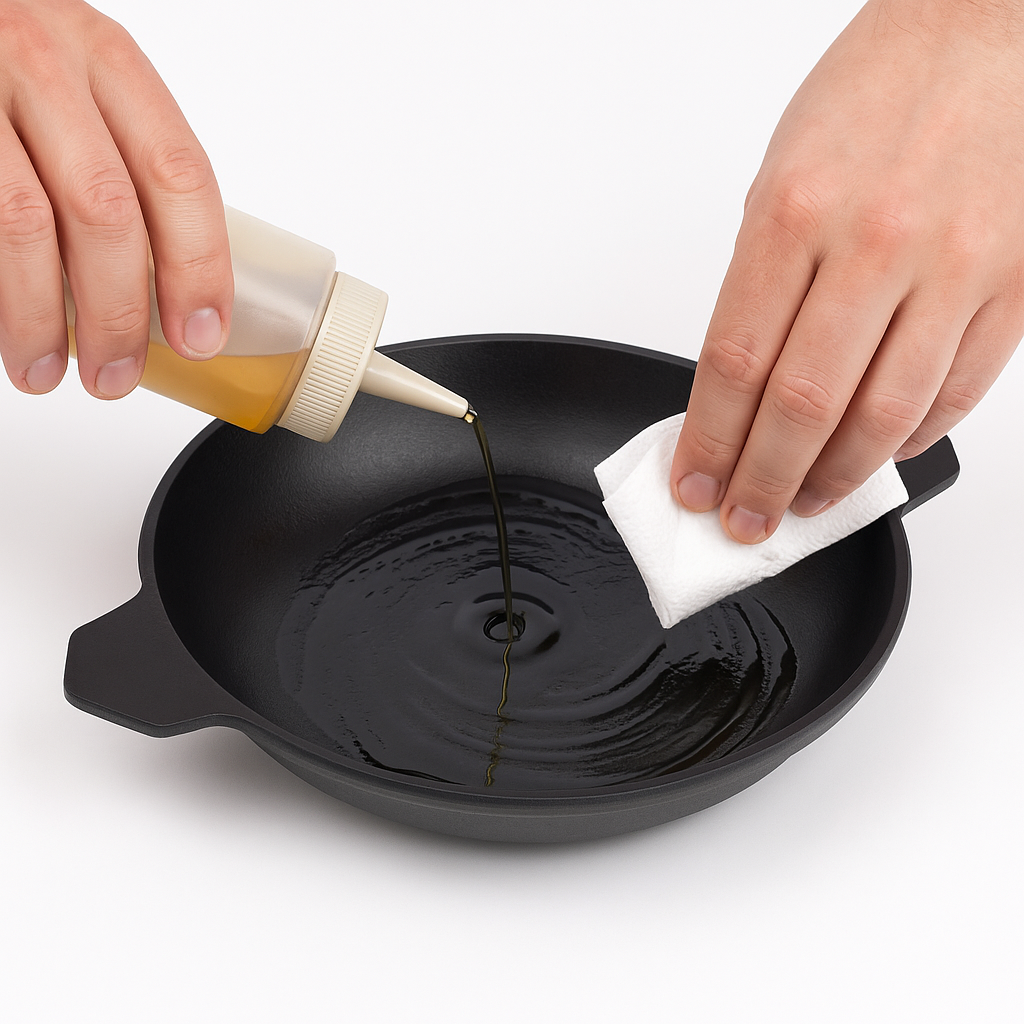
Many cleaning habits actually harm your surfaces instead of helping. This blog reveals the five most common cleaning mistakes people make, and how to replace them with safe, effective methods that extend the life of your home essentials.
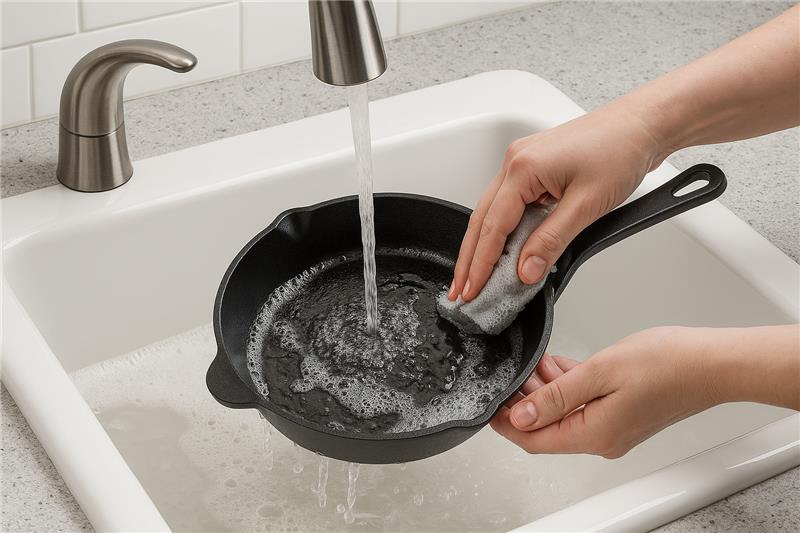
Don't let your favorite skillet lose its slip! Discover the essential "do’s and don’ts" of non-stick cookware maintenance—from proper heat settings to the best cleaning tools—to ensure your pans stay in pristine, factory-fresh condition for years to come.