Cookware
Cast Iron vs Non-Stick – Which is Better?
When comparing cast iron and non-stick cookware, cast iron stands out for durability, safety, and performance.
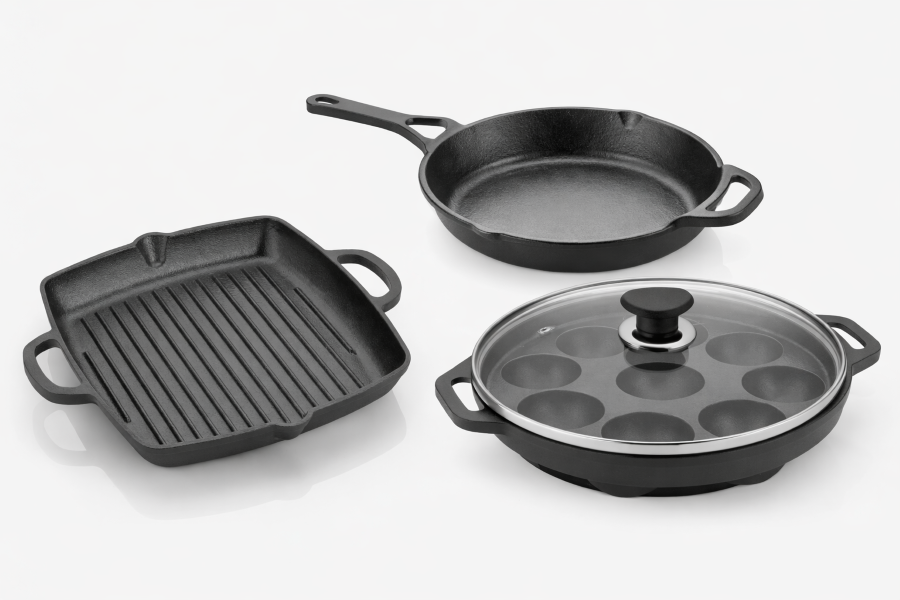
When comparing cast iron and non-stick cookware, cast iron stands out for durability, safety, and performance.
Non-stick cookware
offers convenience but lacks longevity. Cast iron, on the other hand, improves
over time and supports healthier cooking.
Choosing Lilydale cast iron cookware ensures long-term value and better cooking
results.
Complete Guide to Cast Iron Cookware
Cast iron cookware has been trusted in kitchens for generations. From traditional Indian cooking to modern kitchens, it continues to be one of the most reliable and healthiest cooking options.
What is Cast Iron Cookware?
Cast iron cookware is made by pouring molten iron into molds,
creating strong and durable kitchen products like tawa, kadai, and pans. Unlike
non-stick cookware, it does not have any chemical coating. Instead, it develops
a natural non-stick layer through a process called seasoning.
Because of its solid structure, cast iron heats evenly and retains heat for a long time, making it perfect for cooking Indian dishes like dosa, paratha, and sabji.
Why Choose Cast Iron Cookware?
There are several reasons why cast iron is becoming popular again in
modern kitchens.
First, it is extremely durable. A good cast iron product can last
for decades or even generations if maintained properly. Second, it is
completely chemical-free, which makes cooking safer compared to non-stick
cookware.
Another important benefit is heat retention. Cast iron stays hot for longer, allowing food to cook evenly and develop better taste. It also naturally increases iron content in food, which can be beneficial for health.
How to Season Cast Iron (Step-by-Step)
Seasoning is the most important part of using cast iron. It creates
a natural non-stick surface and protects the cookware from rust.
Start by washing the product with warm water and drying it
completely. Then apply a very thin layer of cooking oil across the entire
surface. Heat the pan on gas or in an oven until it starts smoking slightly.
Let it cool down and repeat this process 2 to 3 times.
Over time, the surface becomes smooth, black, and naturally non-stick.
Daily Care and Maintenance
Taking care of cast iron is simple if done regularly.
After cooking, clean the pan with water and a soft scrub. Avoid
using strong soap frequently. Always dry the cookware immediately after washing
to prevent rust. Once dry, apply a light layer of oil before storing it.
Never leave the pan wet or store food in it for long periods, especially acidic foods like tomato-based dishes.
Common Mistakes to Avoid
Many users face issues with cast iron because of small mistakes.
Using too much oil during seasoning can make the surface sticky. Not drying the pan properly can cause rust. Cooking on low heat without preheating may lead to food sticking.
Another common mistake is expecting instant non-stick performance. Cast iron improves with use, so regular cooking helps build better seasoning.
Cast Iron vs Non-Stick Cookware
Non-stick cookware is easy to use and requires less maintenance, but
it has a limited life and may contain chemical coatings.
Cast iron, on the other hand, is long-lasting, eco-friendly, and becomes better over time. While it needs some care, it provides better cooking results and is a healthier option in the long run.
Best Foods to Cook in Cast Iron
Cast iron is extremely versatile and works well for many dishes.
It is perfect for making dosa, uttapam, and chilla because of even
heat distribution. You can also cook paratha, roti, paneer tikka, cutlets, and
fried items. It is equally useful for grilling vegetables or making crispy
dishes.
Regular cooking actually improves the seasoning and performance of the cookware.
Why Seasoning is Important
Seasoning is what makes cast iron special. When oil is heated on the
surface, it forms a hard protective layer that prevents rust and creates a
natural non-stick coating.
Without seasoning, food will stick and the cookware may rust. With proper seasoning, cooking becomes easier and the taste improves significantly.
How to Clean a Burnt Cast Iron Pan – A Complete Guide by Lilydale
Cast iron cookware is not just a kitchen tool, it is a long-term
investment that becomes better with time. At Lilydale, we believe that
proper care keeps your cookware performing like new while enhancing its natural
seasoning.
Burnt food on cast iron may seem difficult to handle, but with the
right method, you can restore your pan easily without damaging it. This guide
will walk you through simple and effective steps to clean a burnt cast iron pan
the right way.
Step 1: Start with a Basic Wash
Begin by rinsing your cast iron pan with warm water. If the food
residue is light, water alone will help remove it. For slightly stubborn food,
you can use a small amount of mild dish soap and gently scrub the surface using
a soft sponge or brush.
Step 2: Rinse and Dry Immediately
After cleaning, rinse the pan thoroughly to remove any soap or
residue. Wipe it dry using a soft cloth or paper towel. Do not leave the pan
wet, as moisture can lead to rust formation.
Step 3: Apply Oil for Protection
Once the pan is dry, apply a thin layer of cooking oil. This helps
maintain the seasoning and protects the surface from rust. Always spread the
oil evenly across the cooking surface.
Step 4: When Food is Recently Burnt
If the food has just burned, act quickly. Turn off the stove
immediately and allow the pan to cool slightly. Add 1–2 spoons of oil and
gently loosen the burnt food using a soft cloth or spatula. Cleaning is much
easier at this stage.
Step 5: For Stubborn or Old Burnt Food
If the burnt residue has been sitting for a long time, it requires
deeper cleaning. Sprinkle rock salt or baking soda over the affected area and
scrub gently using a paper towel or soft cloth. This method helps remove stuck
particles without damaging the seasoning.
After scrubbing, rinse lightly to remove any remaining salt or
baking soda.
Step 6: Boiling Method for Tough Residue
For heavy burnt buildup, fill the pan with water and place it on the
stove over medium heat. Allow the water to simmer and loosen the stuck food.
Use a wooden spoon or spatula to gently scrape off the residue.
Once done, discard the water and wipe the pan clean.
Step 7: Drying on the Stove
To ensure complete drying, place the pan on a stove over medium
flame for about 5–10 minutes. This removes any remaining moisture and prevents
rusting.
After drying, apply a light coat of oil before storing.
Step 8: Act Quickly for Best Results
Burnt food is always easier to clean when handled immediately.
Delaying the cleaning process makes it harder to remove residue and may affect
the seasoning of your cookware.